Contact: Jacky EVEN
Halide perovskites are semiconductor crystals whose atomic structure consists of halogen octahedra (typically iodine, bromine, or chlorine) surrounding a metal atom, usually lead (Pb) or tin (Sn). Since the early 2010s, these compounds have emerged as highly promising materials thanks to their exceptional optoelectronic properties, low production cost, and ease of synthesis. In the field of photovoltaics, perovskite-based solar cells have reached efficiencies comparable to those of silicon solar cells, while perovskite/silicon tandem solar cells now achieve record efficiencies of around 34%, representing a potential technological breakthrough for the ecological transition. Perovskites are also widely investigated for light-emitting applications, particularly in the form of quantum dots for the generation of single photons and entangled photon pairs, which are key building blocks for the development of quantum technologies.
The theoretical physics group of the FOTON Institute, led by Jacky Even, has been a pioneer in international research on halide perovskites through its close collaboration with researchers from the ISCR. The group has made numerous landmark contributions to the field, including the identification of the key role of spin–orbit coupling and the elucidation of the fine structure of the excitonic ground state in colloidal quantum dots. The group’s research philosophy is based on the use of a broad range of theoretical approaches, from ab initio simulations (including density functional theory, DFT) to semi-empirical methods (effective-mass models, tight-binding methods, etc.), while maintaining close interactions with experimental research. Long-standing collaborations have been established with leading experimental groups worldwide, including those of Aditya Mohite at Rice University, Mercouri Kanatzidis at Northwestern University, and Maksym Kovalenko at ETH Zurich. This approach has resulted in numerous publications in leading scientific journals, including Nature and Science, and has earned the group international recognition for its contributions to the understanding of the physics of halide perovskites.
Results and Highlights
-
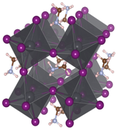
Publications dans Science et Nature Synthesis : hétérostructures pérovskites ultrastables pour des applications photovoltaïques
Les derniers travaux du groupe pérovskite Rennais sont publiés dans…
-
Jacky EVEN est “Highly Cited Researchers 2025”
Tous les ans, le Web of Science (© Clarivate Analytics)…
-
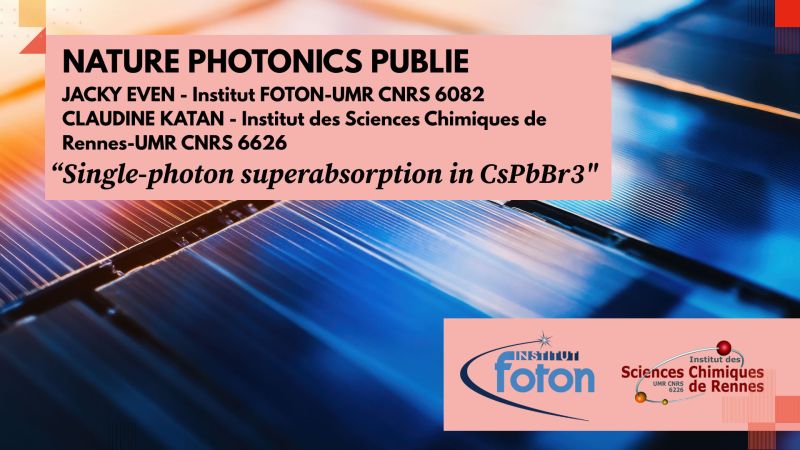
Publication in Nature Photonics
Jacky Even (Institut FOTON-UMR CNRS 6082) et Claudine Katan (Institut…
-
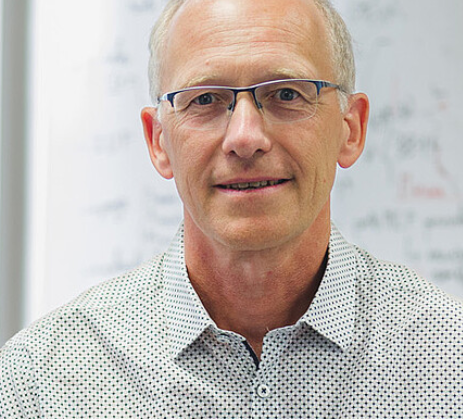
The “lattice matching” concept makes the cover of Science
June 2024
-
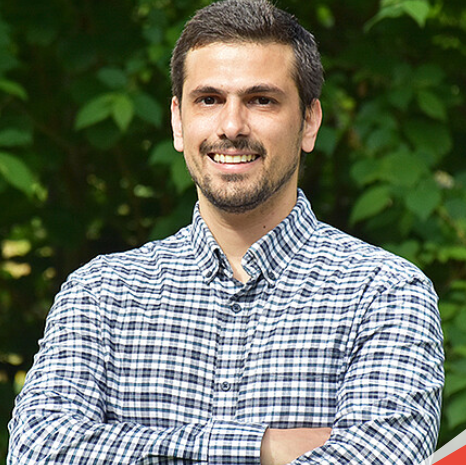
Marios Zacharias: new perovskite project in the framework of the European High-Performance Computing (EuroHPC) Joint Undertaking (JU)
April 2024
-
IUF : une nouvelle nomination pour Jacky EVEN
octobre 2023
-
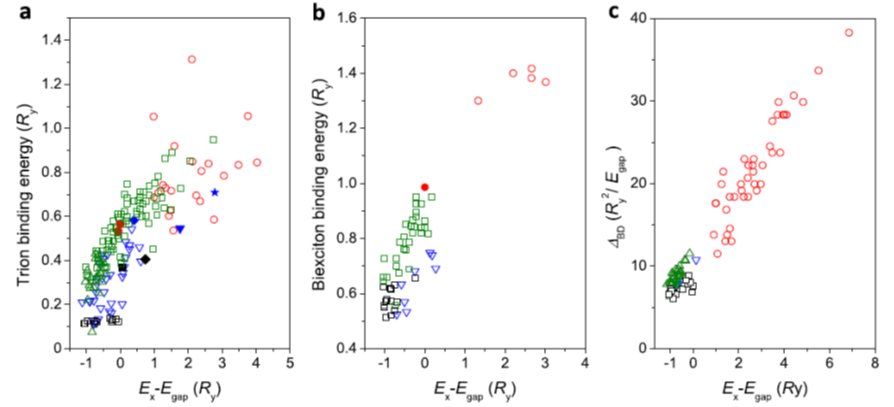
Universal scaling laws for charge-carrier interactions with quantum confinement in lead-halide perovskites
January 2023
-
Jacky Even lauréat du prix Jean Ricard 2022 de la Société française de physique (SFP)
janvier 2023
-
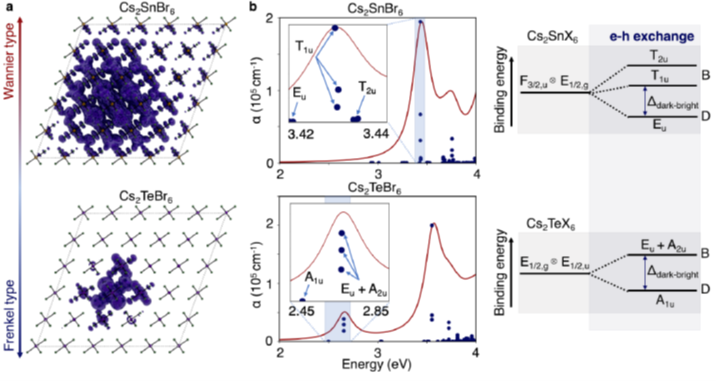
Fine Structure of Excitons in Vacancy-Ordered Halide Double Perovskites
November 2022
-
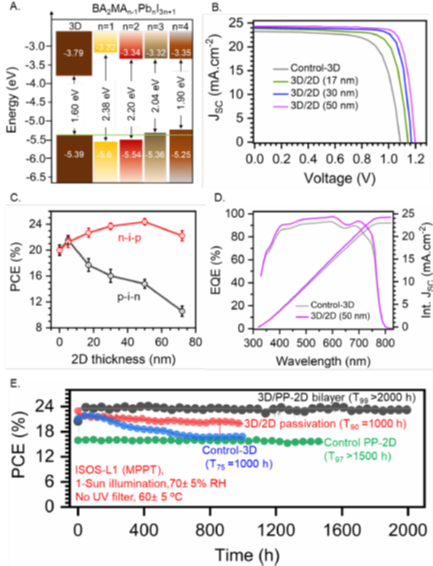
Deterministic fabrication of 3D/2D perovskite bilayer stacks for durable and efficient solar cells
September 2022
Funded projects
-
ULTRA-2DPK: Ultrafast physics in 2D halide perovskites for applications in optoelectronic devices
May 2023 – April 2025 Coordinators iFOTON: Jacky EVEN/Marios ZACHARIAS
-
PHANTASTIC: PHysics- and dAta-driven multiscale modelling desigN of layered lead halide perovskiTe mAterials for Stable phoTovoltaICs
2022 – 2025 Coordinator iFOTON: Jacky EVEN
-
POLLOC: Polariton logic
October 2020 – September 2023 Coordinator IFOTON: Laurent PEDESSEAU
-
PeroCUBE: High-Performance Large Area Organic Perovskite devices for lighting, energy and Pervasive Communications
April 2020 – March 2024
-

DROP-IT: DRop-on demand flexible Optoelectronics & Photovoltaics by means of Lead-Free halide perovskITes
November 2019 – April 2023 Coordinator iFOTON: Laurent PEDESSEAU
Key collaborations




Research Staff involved
Researchers and Faculty Members
-
EVEN Jacky
(+33)2 23 23 82 95 Professor
-
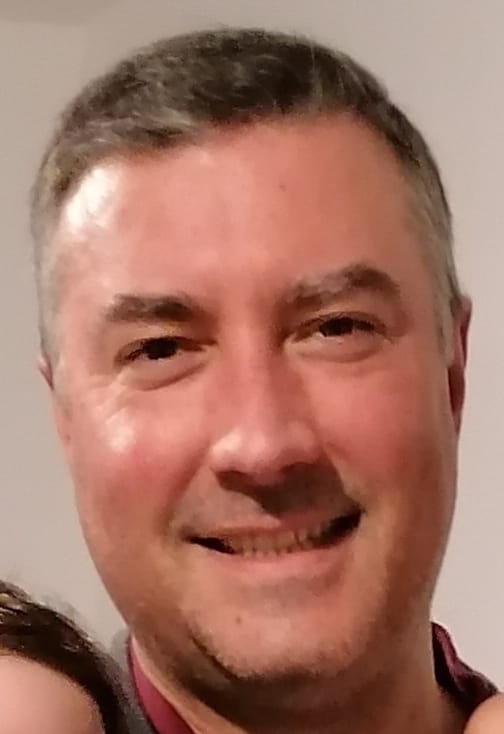
PEDESSEAU Laurent
(+33)2 23 23 88 69 Associate Professor
-
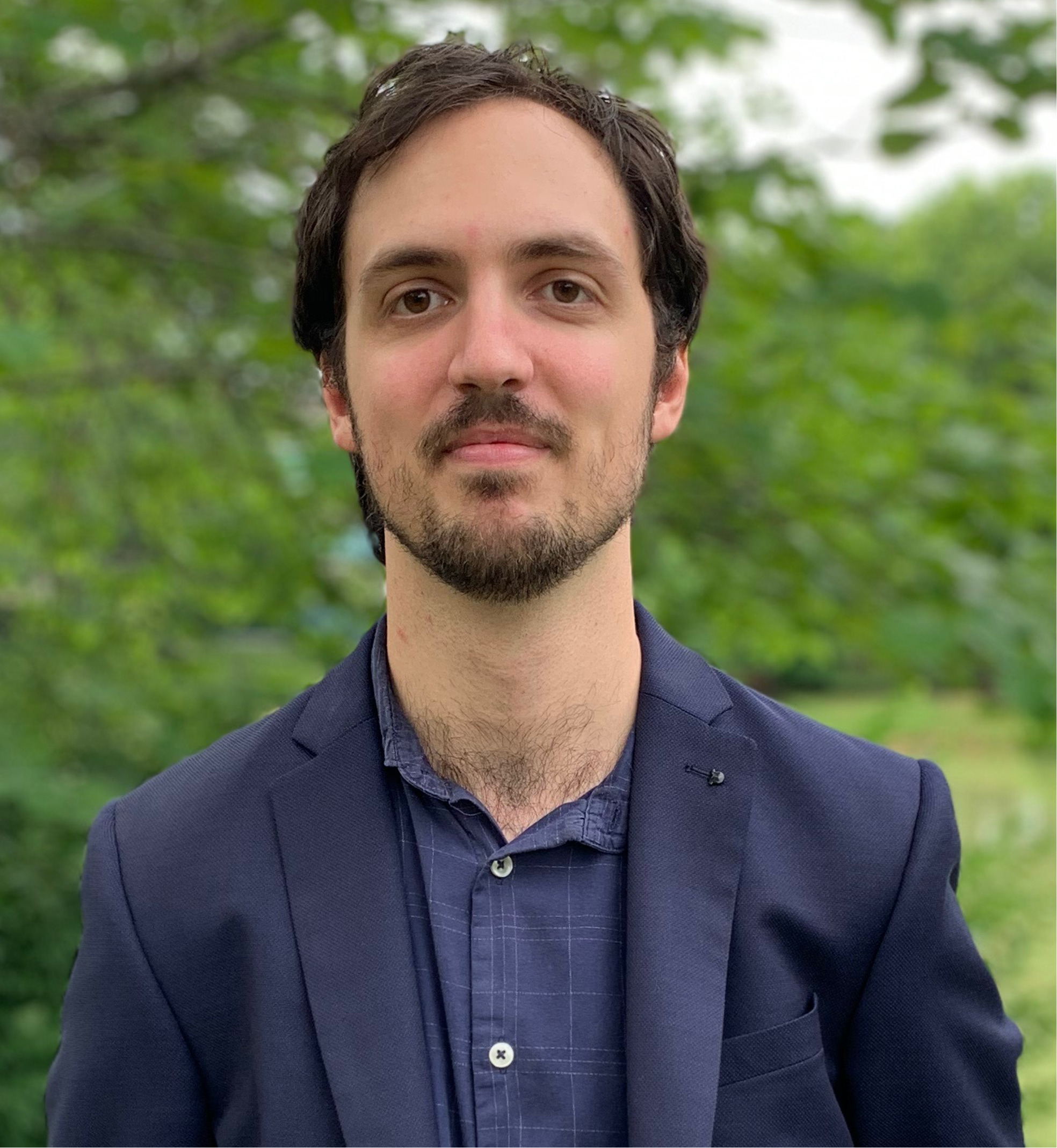
THEBAUD Simon
(+33)2 23 23 90 74 Associate Professor
-
LETOUBLON Antoine
(+33)2 23 23 82 97 Associate Professor
-

DURAND Olivier
(+33)2 23 23 86 28 Professor Directeur adjoint